What Is a Rack and Pinion Hoist? A Complete Guide for Construction Projects
Wickham Hoist Ltd designs and manufactures rack-and-pinion hoists for construction, industrial, and specialist access applications across the UK and internationally. Serving the hoist industry since 1961, the company is a British manufacturer with extensive engineering expertise in safe, reliable and efficient vertical transport solutions.
Rack and pinion hoists have become an essential feature of modern construction projects, providing reliable access for personnel and materials while improving productivity and site safety. This Rack and Pinion Hoist Guide explains how rack and pinion hoists operate, their key benefits and the factors to consider when selecting the right system for your project.
What Is a Rack and Pinion Hoist?
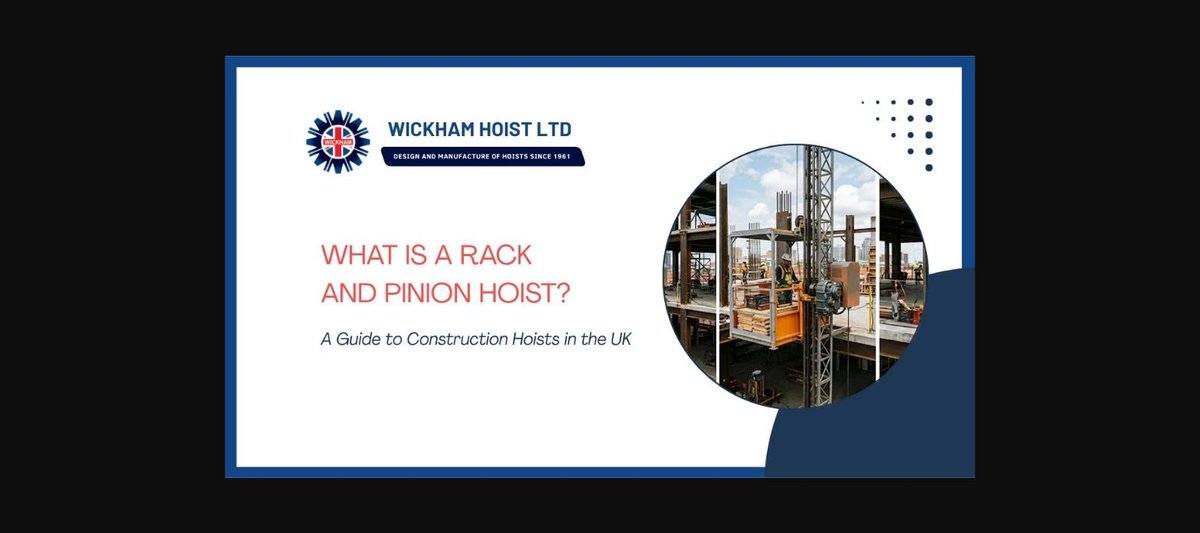
A rack-and-pinion hoist is a mechanically driven lifting system that moves a platform or cage vertically along a mast. Unlike traditional rope-operated systems, rack-and-pinion hoists use a geared drive mechanism to provide controlled, precise movement.
The system typically consists of:
- A vertical mast section fixed to the structure
- A rack mounted along the mast
- A motor-driven pinion gear
- A passenger or materials cage
- Safety devices and control systems
As the motor turns the pinion gear, it engages with the rack mounted on the mast, allowing the cage to travel safely and efficiently up and down the structure.
How Does a Rack and Pinion Hoist Work?
The operation of a rack-and-pinion hoist is straightforward yet highly effective. An electric motor drives a pinion gear which meshes with the fixed rack attached to the mast. This direct drive arrangement eliminates the need for suspension ropes and provides smooth, reliable movement.
When activated, the pinion gear travels along the rack, moving the hoist cage to the required level. Modern systems incorporate advanced safety features, including:
- Emergency braking systems
- Overspeed protection
- Door interlocks
- Load monitoring
- Emergency stop controls
- Automatic safety devices
These features help ensure safe operation in demanding construction and industrial environments.
Where Are Rack-and-Pinion Hoists Used?
Construction Sites
- Commonly used on multi-storey developments
- Transport workers, tools and materials safely between levels
- Improve speed and site efficiency
Commercial Buildings
- Used during construction, refurbishment and maintenance
- Provide efficient vertical access for personnel and materials
- Reduce reliance on manual lifting methods
Infrastructure Projects
- Used on bridges, rail networks and power stations
- Support temporary access requirements
- Suitable for large-scale engineering environments
Industrial Facilities
- Used in manufacturing plants and industrial sites
- Support maintenance and operational access
- Ideal for heavy-duty working conditions
Special Events
- Used for exhibitions, concerts and sporting events
- Provide temporary vertical access solutions
- Improve accessibility for large public venues
Rack and Pinion Hoists vs Traditional Rope Hoists
| Feature | Rack and Pinion Hoist | Rope Hoist |
|---|---|---|
| Drive System | Geared rack and pinion | Wire rope |
| Installation Flexibility | Excellent | Moderate |
| High Rise Applications | Excellent | Good |
| Maintenance Requirements | Lower | Higher |
| Site Durability | Excellent | Moderate |
| Reliability | High | Good |
Factors to Consider When Choosing a Rack and Pinion Hoist
- Building height
Travel distance determines mast configuration and system type. - Load capacity
Consider whether the hoist carries personnel, materials, or both, as this affects specification. - Site conditions
Space, access, and environmental factors influence equipment selection. - Project duration
Short-term projects may suit rental options, while long-term use may require permanent systems. - Safety requirements
All equipment must comply with UK regulations and industry standards.
The Importance of Regular Maintenance
Routine maintenance is essential to ensure safe and efficient operation. Regular inspections help identify wear, maintain performance and minimise unexpected downtime. A comprehensive maintenance programme should include:
- Mechanical inspections
- Electrical system checks
- Safety device testing
- Lubrication of moving components
- Structural assessments
- Compliance inspections
Professional servicing helps maximise equipment lifespan while supporting safe site operations.
Why Choose a British-Built Rack and Pinion Hoist?
British-manufactured hoists are recognised for their engineering quality, reliability, and compliance with strict UK safety standards. Wickham Hoist Ltd designs and manufactures rack-and-pinion hoists for modern construction and access applications, combining practical performance with long-standing industry expertise. Working with an experienced UK manufacturer offers several key advantages, including:
- Proven engineering expertise
- High manufacturing quality standards
- Responsive technical support
- Bespoke design capabilities
- Ongoing maintenance and servicing support
- Full compliance with UK and international standards
Frequently Asked Questions
A rack-and-pinion hoist uses a geared drive system that travels along a mast, making it ideal for construction and industrial applications. Traditional lifts are generally designed for permanent installation within buildings.Yes. Modern systems include multiple safety features such as emergency braking, overspeed protection, door interlocks and load monitoring systems.The maximum travel height depends on the specific design and application. Many construction hoists are capable of serving high-rise developments and large infrastructure projects.They are widely used in construction, manufacturing, infrastructure, commercial developments, public access projects and special events.Inspection schedules vary depending on usage and regulatory requirements. Regular maintenance and compliance inspections are essential for safe operation.Conclusion
Rack and pinion hoists provide a safe, efficient, and reliable solution for transporting personnel and materials on construction and industrial projects. Their robust design, flexibility, and proven performance make them a preferred choice across many sectors. Understanding how they work and selecting the right system can improve productivity, enhance safety, and support successful project delivery.
Looking for a Rack-and-Pinion Hoist?
Wickham Hoist Ltd designs and manufactures high-quality British-built rack and pinion hoists, passenger lifts, public access lifts, goods hoists and bespoke lifting solutions for customers across the UK and internationally. Contact us to book a free consultation.